Thoughtful Wallpaper Ideas for Hallways, Staircases, and Accent Walls
Create a More Connected Interior
Wallpaper can do more than decorate a single room. When you use it thoughtfully in transitional spaces, it can create visual continuity between rooms, define overlooked areas, and give your home a stronger sense of personality. In American homes, hallways, staircases, entryways, and smaller connecting spaces often receive less attention than living rooms or bedrooms. These areas, however, can become some of the most memorable parts of an interior when the right pattern, scale, and color are introduced.
Start With the Space You Want to Transform
Before selecting a design, consider how people experience the space. A narrow hallway may benefit from a lighter pattern that keeps the area feeling open, while a tall staircase wall can support a larger design. Think about natural light, ceiling height, existing flooring, trim, furniture, and nearby wall colors. A wallpaper should complement these elements rather than compete with everything around it. Measuring the wall carefully is equally important, especially when using custom-sized murals.
Bring Nature Into Transitional Areas
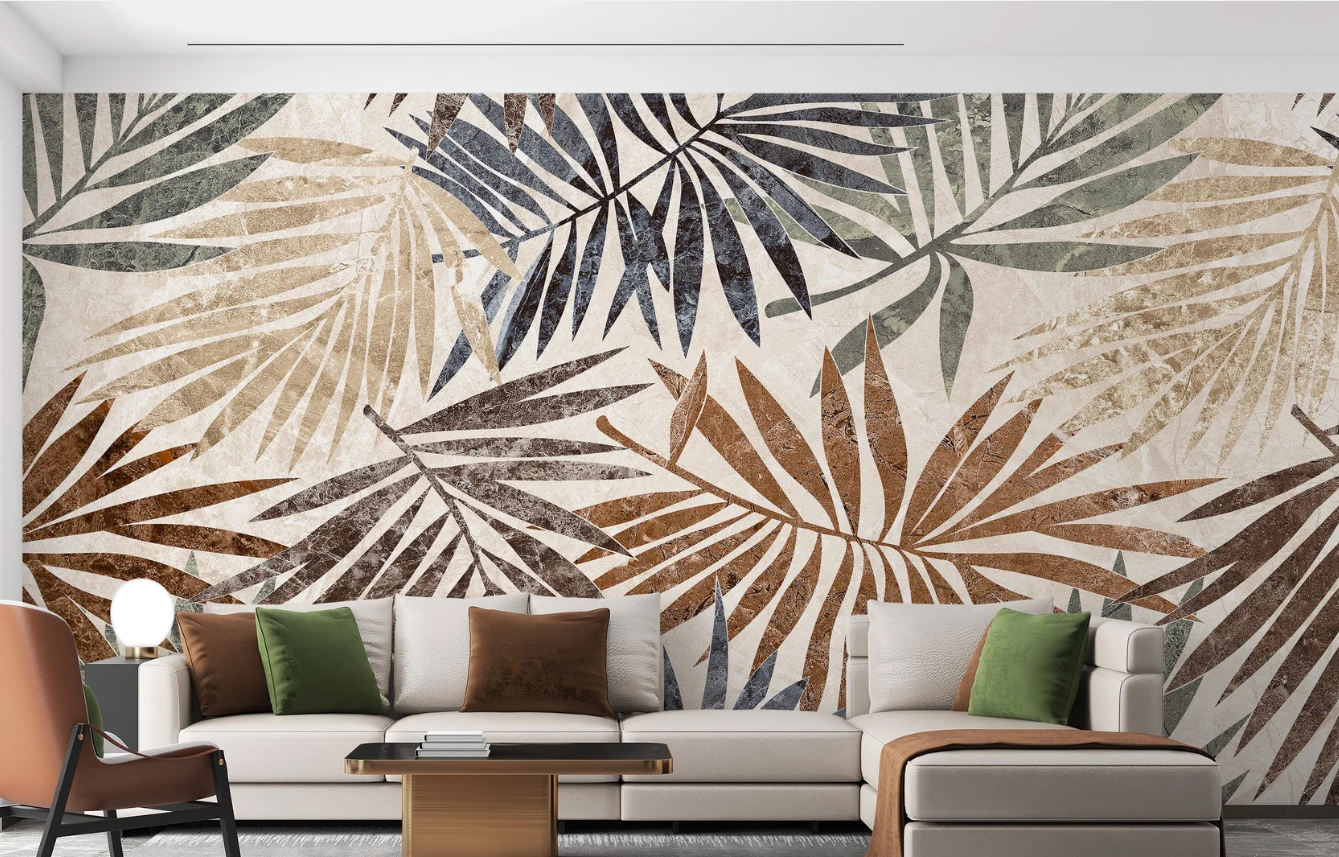
Natural imagery can make a passageway feel warmer and more inviting. Palm leaf wallpaper can introduce broad botanical shapes that add movement without requiring additional artwork. Green foliage works particularly well with warm wood, rattan, cream upholstery, brass accents, and neutral flooring. For a modern American home, muted greens can create a relaxed atmosphere, while deeper botanical shades can give a dining room or entryway a more dramatic character.
Make Narrow Areas Feel Intentional
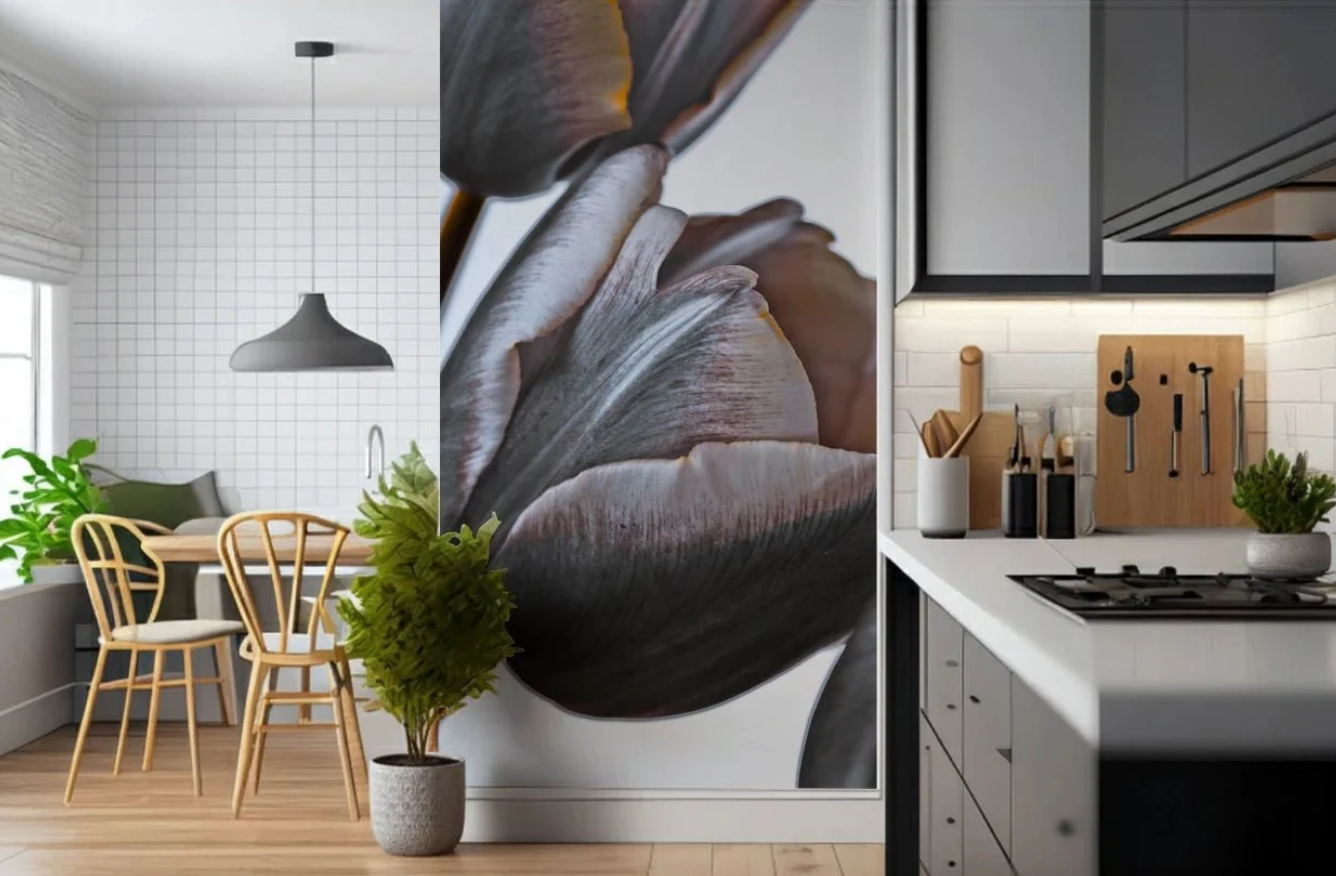
Hallways are often challenging because they can be long, narrow, and poorly lit. Instead of treating the corridor as leftover space, use pattern to give it a deliberate visual identity. Hallway wallpaper ideas can include soft botanical motifs, geometric designs, scenic murals, or subtle textures. Vertical arrangements can draw attention upward, while lighter backgrounds can help reflect available light. Custom sizing can also help the design fit the proportions of the wall more naturally.
Consider the Relationship Between Color and Light
Color behaves differently depending on the amount and direction of light in a room. A dark hallway may need a design with lighter negative space, while a sun-filled corridor can accommodate stronger contrast. Before ordering, look at wallpaper samples at different times of day. Morning and afternoon light can change how greens, blues, creams, pinks, and neutrals appear. This simple step can help prevent a design from looking substantially different from what you expected after installation.
Add Floral Character Without Overcrowding
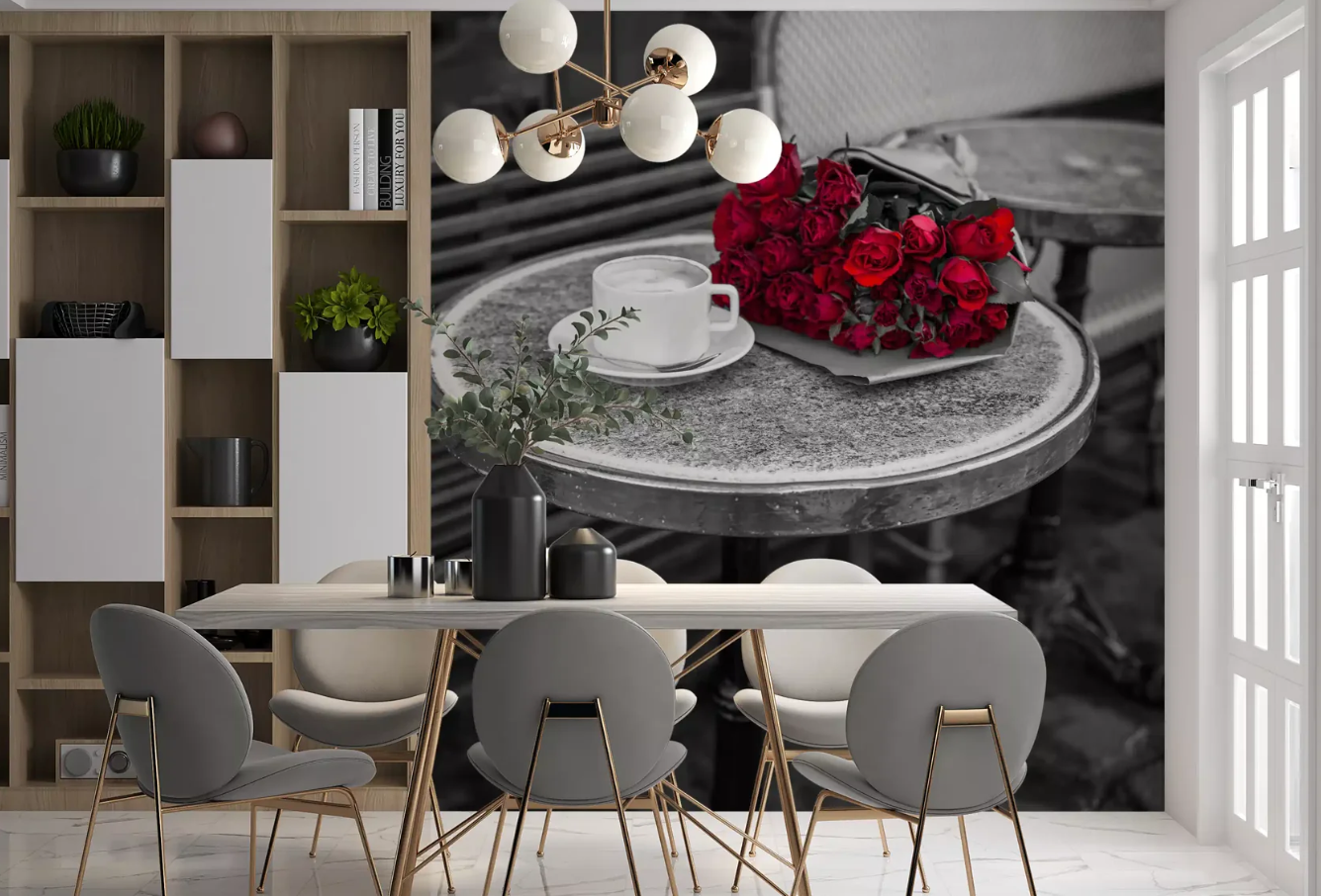
Floral wallpaper can introduce softness and visual detail, but the scale of the flowers matters. Rose print wallpaper can work beautifully in bedrooms, dressing areas, powder rooms, and elegant hallways when paired with restrained furnishings. Larger rose motifs create a decorative focal point, while smaller patterns provide a quieter backdrop. Keep nearby accessories simple when the wallpaper already contains substantial floral detail, allowing the wall to remain the primary decorative element.
Use Stair Walls as Vertical Focal Points
A staircase offers an unusually tall surface that naturally attracts attention. Rather than leaving this area plain, consider the wall from the bottom step, landing, and upper floor as one visual composition. Staircase wallpaper ideas can include botanical scenes, abstract artwork, geometric patterns, marble effects, or large-scale landscapes. Vertical designs can reinforce the upward movement of the staircase, while large motifs remain easier to appreciate across a tall wall.
Match the Pattern Scale to the Wall
Scale is one of the most important considerations when decorating a large staircase or double-height wall. Tiny repeating motifs can become visually busy across an expansive surface, while an oversized design can create a stronger architectural presence. Before choosing a pattern, consider the complete wall rather than focusing on a small sample. A design that looks balanced on a standard bedroom wall may feel very different when extended several feet above a staircase.
Keep Installation Practical and Safe
Wallpaper installation requires more planning around staircases than on ordinary flat walls. Working at height requires appropriate equipment and safe access, rather than relying on unstable ladders positioned on individual steps. Walls should also be clean, dry, smooth, and properly prepared before installation. For custom murals, checking the panel sequence and matching the design before permanently positioning each section can reduce installation problems and improve the final alignment.
Create One Strong Visual Moment
Not every wall needs a bold pattern. In many American interiors, one carefully selected accent wall can provide enough visual interest while the surrounding surfaces remain relatively quiet. Statement wallpaper ideas can help define the focal point behind a bed, sofa, dining table, console, or entryway. The goal is to give the eye somewhere to settle rather than filling every available surface with competing patterns.
Coordinate With Existing Furnishings
The easiest way to make wallpaper feel integrated is to repeat one or two colors from the surrounding room. For example, a botanical wall can connect with green cushions, a wood console, or natural fiber accessories. A floral design can share a color with curtains or upholstery. If the wallpaper contains several strong colors, choose simpler furniture and accessories. This approach creates balance while allowing the wall treatment to remain visually important.
Think About Long-Term Flexibility
Wallpaper should suit the way the room will actually be used. In busy family homes, entryways and corridors experience frequent contact, so material selection and wall preparation matter. In rental properties, removable options can provide more flexibility than permanent treatments. In a long-term home, a durable finish and professionally prepared surface may make more sense. Consider both the visual result and the practical demands of the space before making a final selection.
Use Custom Sizing Where Architecture Is Complex
Doors, windows, sloped ceilings, stair rails, niches, and unusual wall dimensions can complicate wallpaper installation. Custom sizing can help a mural or pattern relate more naturally to these architectural features. Measure the complete installation area carefully and identify obstacles before ordering. When a design contains a prominent subject or large motif, also consider where that element will fall in relation to doors, furniture, and other interruptions.
Build a Consistent Design Story
A home does not need identical wallpaper in every room to feel cohesive. Instead, create relationships between spaces through repeated colors, similar botanical themes, complementary textures, or related pattern scales. A leafy hallway can transition into a calmer bedroom palette, while a dramatic stair wall can connect visually with artwork in an adjoining living area. This approach allows every room to retain its own identity while still contributing to a unified interior.
Make Overlooked Spaces Memorable
Wallpaper is especially useful in areas that lack furniture or decorative opportunities. A stairwell, corridor, or small entry can become visually meaningful with one well-planned treatment. The most successful approach starts with the architecture, lighting, and function of the space rather than choosing a pattern first. When those elements guide the decision, wallpaper can add depth, personality, and structure without making the home feel unnecessarily busy.
Final Thoughts for a Well-Planned Interior
A successful wallpaper project combines aesthetics with practical planning. Consider the room's proportions, lighting, existing finishes, installation conditions, and how the space connects with surrounding areas. Botanical patterns can soften transitional spaces, floral designs can add decorative character, and large-scale murals can emphasize architectural height. By selecting the right pattern for the right surface and giving installation equal attention, homeowners can turn ordinary walls into purposeful design features that feel considered and lasting.
